
Club Brujas vs Barcelona: Champions League Chronicle - November 5, 2025
Club Brugge delivered a stunning upset performance against Barcelona on Wednesday night at the Jan Breydel Stadium in Bruges, Belgium, triumphing 2-1 in a thrilling UEFA Champions League League Phase fixture. The Belgian club's clinical early finishing exposed Barcelona's defensive vulnerabilities, particularly in their high-pressing system, leaving the La Liga champions with significant concerns heading into their upcoming clash with Chelsea.
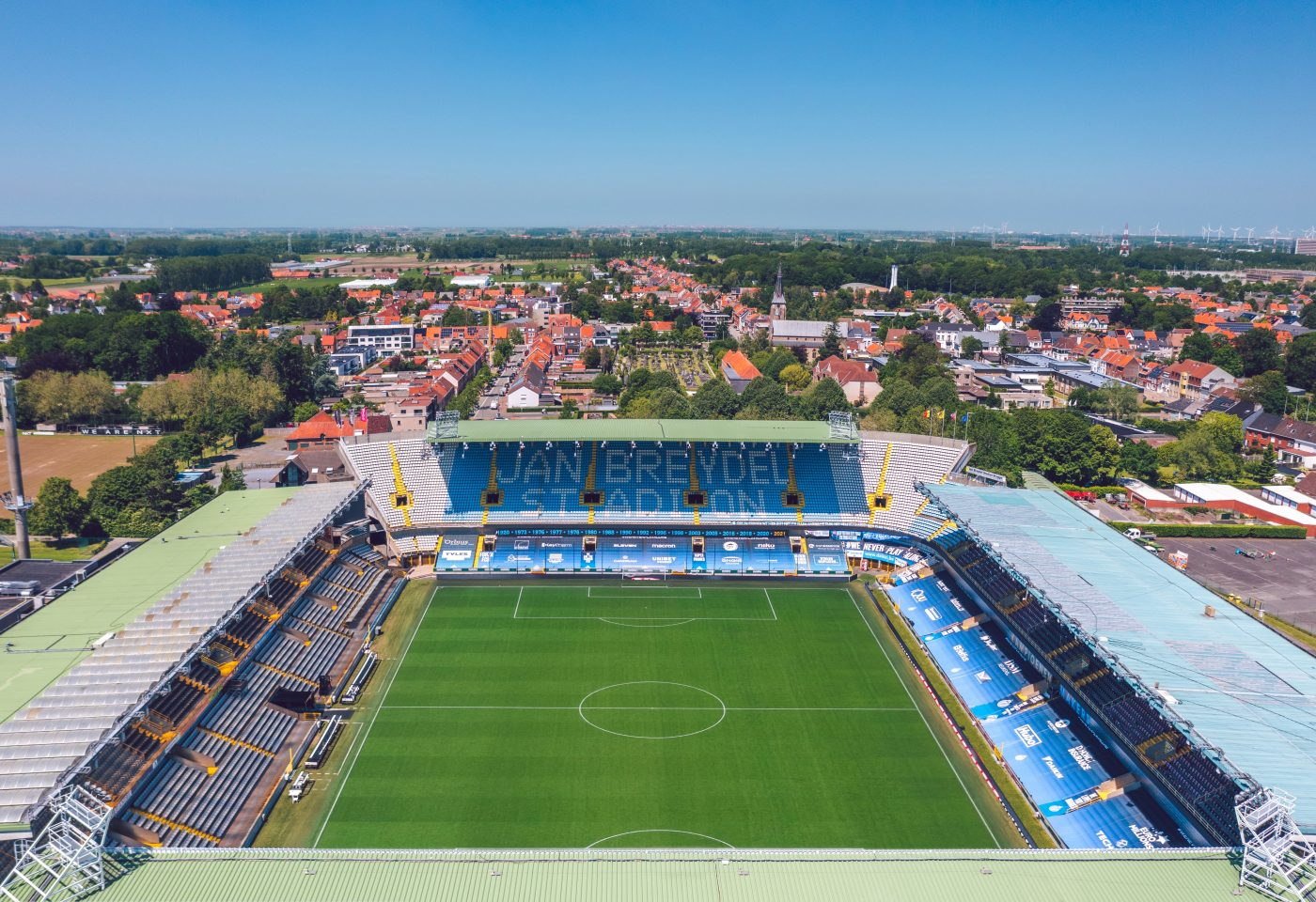
Aerial view of Jan Breydel Stadium, home to Club Brugge, located in Bruges, Belgium.
The Shocking Opening: Barcelona's Early Defensive Collapse
Barcelona's nightmare began almost immediately at the Jan Breydel Stadium. Within the opening six minutes, Club Brugge's Nicolò Tresoldi capitalized on a defensive lapse to fire the home side ahead. The goal arrived following a well-executed play that exploited Barcelona's notoriously high offside line, a recurring vulnerability throughout the 2025-26 season. The Belgian side's clinical finishing and Barcelona's perpetual defensive frailties created the perfect storm for an early setback.
Barcelona's defensive shortcomings proved catastrophic in the opening period. According to statistics from Opta, Barcelona conceded two goals in the first 16 minutes and 35 seconds—the first time in a Champions League League fixture that the Catalans had allowed goals so quickly. This statistic underscores a season-long defensive crisis that has seen the club reach an unwanted milestone: Barcelona has now conceded goals in nine consecutive matches, their worst defensive streak since March 2013.

Ferran Torres celebrating a goal wearing the FC Barcelona football jersey during a match.
The Dramatic First-Half Response: Ferran Torres Strikes Back
Despite the early setback, Barcelona responded swiftly and inventively. Just minutes after falling behind, the Catalan side equalized through Ferran Torres, whose clinical finish showcased Barcelona's enduring offensive quality despite their defensive travails. Torres's goal came from a swift combination involving Lamine Yamal and Fermín López, demonstrating Barcelona's ability to generate danger through quick transitions and intelligent positioning. Remarkably, Fermín López's assist marked his third in just two Champions League matches, a staggering contribution rate that highlights his growing importance to Hansi Flick's attacking setup.
However, Barcelona's moment of equilibrium proved fleeting. Carlos Forbs restored Club Brugge's lead in the 17th minute with a counter-attacking move that exposed Barcelona's vulnerabilities once more. The goal resulted from a rapid Brugge advance down the left flank, with goalkeeper Wojciech Szczesny hesitating to leave his line on a one-on-one situation. By the 45th-minute mark, Barcelona found themselves trailing 2-1, having conceded twice within the opening quarter-hour—a damning indictment of their defensive organization and pressing intensity.
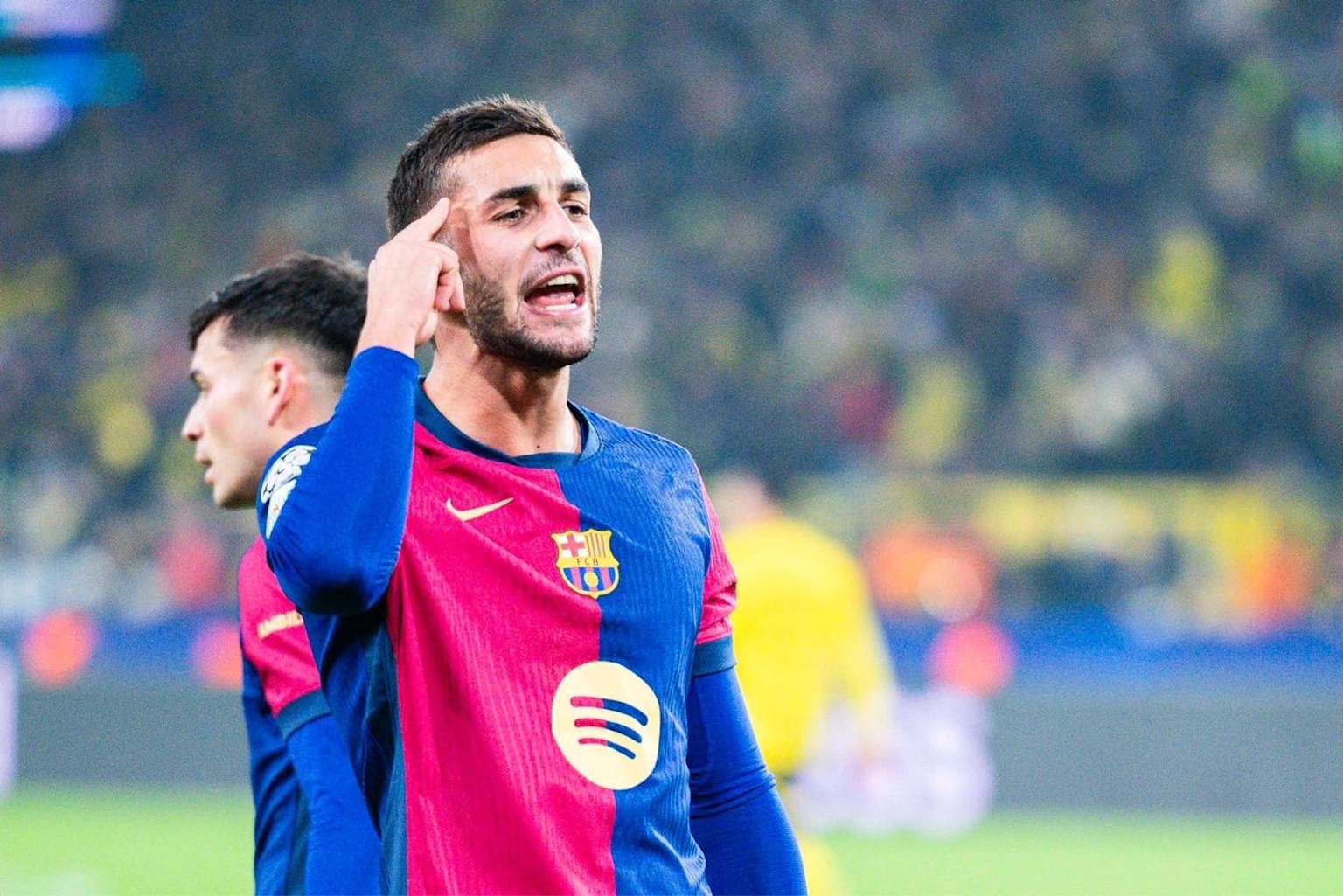
Ferran Torres celebrating a goal during a Barcelona match, highlighting his spirited expression and iconic club jersey.
Barcelona's Season-Long Crisis: Tactical and Personnel Challenges
The performance against Club Brugge represents a continuation of Barcelona's defensive malaise throughout the 2025-26 campaign. The club faces a compounded challenge owing to an injury crisis that has significantly depleted their squad depth, particularly in defensive and midfield areas. Missing key personnel including Pedri, Raphinha, Marc-André ter Stegen, Gavi, Andreas Christensen, and Joan García, Barcelona has struggled to maintain the tactical coherence that defined their late-season resurgence under Flick.
The absence of experienced defenders and creative midfielders has forced Flick to experiment with different tactical configurations, yet these adjustments have ultimately exposed structural weaknesses in Barcelona's high-pressing system. The theoretical strength of Barcelona's approach—an aggressive, coordinated press designed to win the ball in advanced positions—has become a liability when defensive organization falters and communication breaks down. Without established center-backs who understand the nuances of the offside trap and fullbacks capable of making reactive defensive decisions, Barcelona's system has become increasingly brittle.
Club Brugge's Clinical Performance: A Lesson in Efficiency
Club Brugge entered Wednesday's fixture on a three-game winning streak across all competitions, having won five of their last six matches. Under manager Nicky Hayen, the Belgian club had demonstrated impressive form domestically, sitting second in the Belgian Pro League with nine wins, two draws, and two defeats through the season's opening months. Their Champions League campaign had begun spectacularly with a thumping 4-1 victory over Monaco at home, though subsequent defeats to Atalanta and Bayern Munich had tempered initial optimism.
Against Barcelona, Club Brugge executed a masterclass in counter-attacking efficiency. The Belgian club's attacking philosophy capitalized on Barcelona's defensive overextension, with forwards Tresoldi and Forbs demonstrating clinical finishing in transitions. The goal distribution across Club Brugge's Champions League campaign—with five different scorers across their matches (Tresoldi, Onyedika, Vanaken, Diakhon, and Tzolis)—reflects a well-balanced attacking unit capable of creating danger from multiple sources. This tactical flexibility prevented Barcelona from focusing defensive attention on a single threat, compounding the home side's problems.
Barcelona's Offensive Firepower: A Glimmer of Hope
Despite the defensive disappointment, Barcelona's attacking prowess remained evident. Ferran Torres, who now boasts seven goals across all competitions, continues as a primary creative force, while Marcus Rashford has contributed four goals in the Champions League—making him the competition's third-highest scorer alongside Erling Haaland. Young sensation Lamine Yamal has featured prominently in Barcelona's buildup play, and Fermín López's extraordinary assist rate represents one of the competition's standout statistical performances.
Barcelona remain the highest-scoring team in the Champions League across all participating clubs, with 52 goals across the campaign. This offensive abundance, however, masks a fundamental problem: the team cannot win matches if they concede with such alarming frequency. The defensive crisis has rendered Barcelona's attacking prowess insufficient, leaving Flick with pressing tactical decisions to implement before the Chelsea fixture at Stamford Bridge.
The Broader Context: Champions League Implications
Following this defeat, Barcelona now hold 12th position in the Champions League League Phase standings with six points from four matches, having previously secured victories over Newcastle United and Olympiacos offset by losses to Paris Saint-Germain and Club Brugge. A direct passage to the Round of 16 requires finishing in the top eight, making the team's inconsistency increasingly problematic as the competition progresses.
Club Brugge, meanwhile, climbed into single-digit points territory with this impressive victory, positioning themselves within potential playoff range despite earlier setbacks. The Belgian club's capacity to compete with—and defeat—one of Europe's traditional powerhouses suggests that the UEFA Champions League League Phase format has genuinely transformed competitive balance, with smaller clubs now genuinely capable of upsetting established hierarchies through tactical discipline and clinical execution.
Concluding Thoughts and Forward Outlook
Barcelona's loss to Club Brugge epitomizes a season marked by contradictions: exceptional attacking prowess undermined by catastrophic defensive vulnerabilities, and squad depth issues compounded by injuries to key personnel. Hansi Flick faces an urgent mandate to restore defensive discipline and tactical coherence before successive fixtures against Chelsea and other contenders determine Barcelona's Champions League fate.
The performance also vindicated Club Brugge's aggressive approach and defensive resilience, with the Belgian side demonstrating that Barcelona's system, while offensively brilliant, contains exploitable vulnerabilities when opponents execute counter-attacking strategies with precision. The Jan Breydel Stadium witnessed one of the competition's genuine shocks—a reminder that in modern football, tactical excellence and collective effort can overcome resource disparities in single-match fixtures.

No comments:
Post a Comment